
A coastal day works best when the plan leaves room for weather, tides, wildlife, and a change of mind. Instead of filling every hour, build a light itinerary: check official conditions, carry only what you need, walk on durable surfaces, and pause somewhere permitted. An offline audiobook can provide a story without requiring a live connection or repeated screen checks.
This Cape May-style outline is not a live route guide. Access, weather, tides, closures, and local rules can change. Confirm the current notices for the exact place you intend to visit, then treat the schedule below as a flexible template.
Choose a turnaround point before starting and share the basic plan with a companion when appropriate. A clear limit makes it easier to respond to changing light, temperature, wind, or energy without treating the outing as a distance goal.
Start with tides, weather, and local notices
Check the NOAA Tides and Currents service for the relevant station and date. Tide predictions are only one planning input, so also review the local forecast, posted warnings, access hours, parking rules, and any beach or wildlife restrictions. Never rely on an article or a saved screenshot as a substitute for a current notice.
High water can narrow a walking area or make a familiar route unsuitable. A wider strip of sand does not automatically mean an area is open to foot traffic, either. The source site’s guide to timing low-impact coastal days offers a useful companion checklist, but conditions at the destination remain the deciding factor.
Match the listening format to the setting
A single long novel is not the only option. Short stories, a chapter-length selection, or a collection with clear stopping points may fit an outing better. Check the track structure before departure so you can pause without hunting through the player. If the narration includes a long introduction or historical note, decide whether that belongs in the walk or in a quieter listening period at home.
Use only one earpiece where local conditions or personal awareness needs make that the safer choice, and never use headphones in a place where posted rules prohibit them. Avoid noise-cancelling modes near traffic, crossings, moving water, or crowded paths. A low volume should still let you hear a person speaking nearby. If that is not possible, stop playback until the setting changes.
Accessibility needs vary. A listener may prefer bone-conduction headphones, captions before the trip, a transcript for later review, larger playback controls, or a shorter route with frequent seating. Build the audio choice around the person and place rather than treating one setup as universal.
Download the story before leaving home
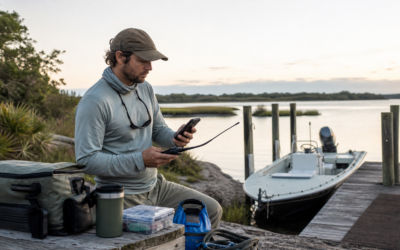
Choose a title while you have a reliable connection, download the complete file, and test playback in airplane mode. Confirm the edition, narrator, file length, and storage space. If you use wireless headphones, check their charge; wired headphones are a straightforward backup.
Older Western fiction appears in many editions and recordings. Some works may be public domain in one jurisdiction while a particular recording, translation, introduction, or cover remains protected. LibriVox explains its volunteer recording model on its official about page. A curated overview of Western audiobook listening options can help you build a shortlist, but verify current availability and rights on the service you actually use.
Pack a compact coastal kit
Carry enough for the planned conditions without turning the outing into an equipment haul. The exact list varies by destination, season, and personal needs.
- Water: use a refillable bottle and bring an amount appropriate for the route.
- Sun and weather protection: choose clothing and products consistent with current guidance.
- Audio setup: pack the downloaded file, charged device, headphones, and optional small battery.
- Waste plan: carry a reusable bag so everything you bring can leave with you.
- Route notes: save the official access information while remembering it may still change.
Use a two-part day plan
Part one: walk while conditions allow. Stay on open paths and durable surfaces, keep clear of signed nesting or restoration areas, and leave shells, plants, and natural objects where they are. Keep headphone volume low enough to hear people, wildlife, surf, and warnings. Pause playback around crossings, traffic, narrow paths, and any situation that needs full attention.
Part two: stop at a permitted rest point. A public bench, pavilion, or other designated area can be a better listening place than sensitive dunes or vegetation. Use the pause to check conditions again. If the weather shifts, access becomes crowded, or the route no longer feels suitable, change the plan rather than forcing the original itinerary.
Apply Leave No Trace principles to the coast
The National Park Service summarizes the Seven Principles of Leave No Trace, including planning ahead, using durable surfaces, disposing of waste properly, leaving what you find, respecting wildlife, and considering other visitors. Local rules may be more specific, so follow posted instructions first.
Audio should not isolate you from the setting. Avoid speakers, keep personal listening at a considerate level, and give wildlife generous space. If a location prohibits entry or asks visitors to avoid an area, the appropriate response is to choose another route or another day.
Close the day without reopening every feed
When the walk ends, note your playback position, check that you have every item, and pack out all waste. If you need to return to online work, do it deliberately. For example, the site’s guide on how to verify online task offers before registering is a useful reminder that digital decisions deserve focused attention, not distracted clicks made on the move.
Frequently asked questions
How do I test an audiobook for offline use?
Download the complete title on a reliable connection, enable airplane mode, and play sections from the beginning and later in the file. Confirm the edition, narrator, storage space, and headphone charge before leaving.
Are all older Western audiobooks public domain?
No. Rights can differ by jurisdiction and by text, edition, narration, translation, or recording. Verify the rights and availability for the exact file and service you plan to use.
What should change a coastal itinerary?
Weather, tides, closures, wildlife protections, crowding, accessibility needs, and posted local notices can all require a different route or date. Current official guidance takes priority over a saved plan.



0 Comments